


Japanese Sencha Tea Features: A Cultural Delight
- Rasa Ilenkovan
- Feb 24
- 4 min read
Japanese tea culture is rich and deeply rooted in tradition, with various types of tea playing significant roles in daily life and ceremonial occasions. Among these, Sencha stands out as one of the most popular and widely consumed green teas in Japan. This tea offers a unique blend of flavour, aroma, and health benefits that have captivated tea lovers worldwide. In this article, we will explore the fascinating world of Sencha, its features, cultural significance, and practical tips for enjoying this delightful beverage.
Understanding Japanese Sencha Tea Features
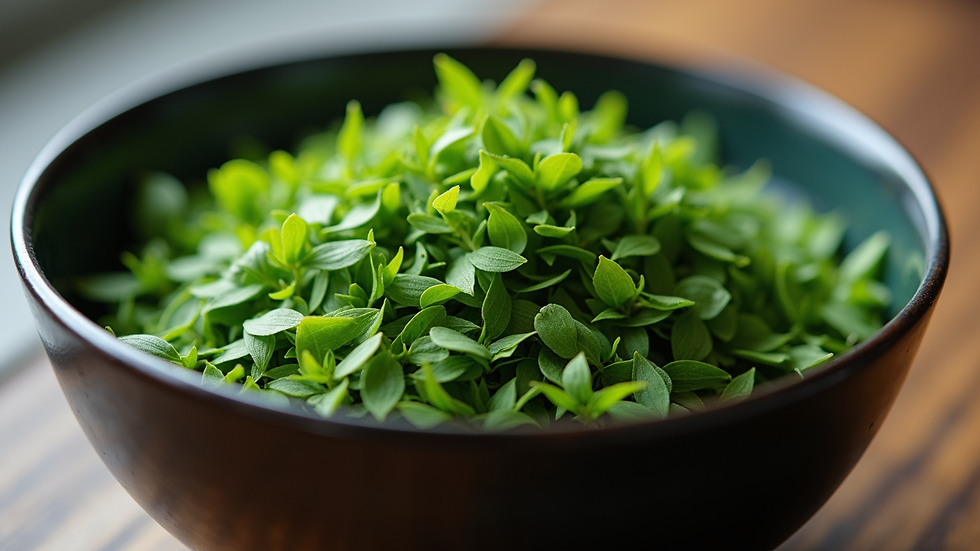
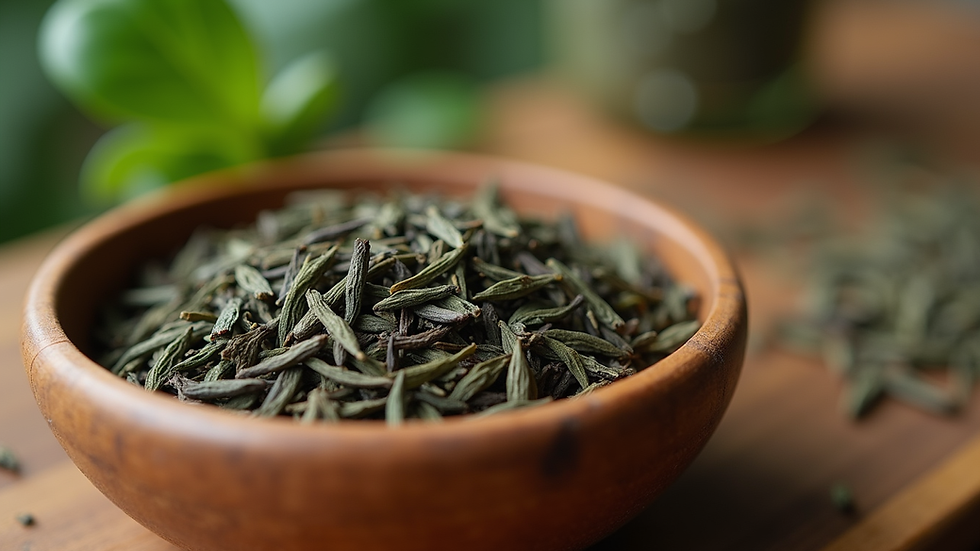
Sencha is a type of green tea made from the leaves of the Camellia sinensis plant. Unlike matcha, which is powdered, Sencha leaves are steamed, rolled, and dried, preserving their natural green colour and fresh taste. The steaming process is crucial as it stops oxidation, maintaining the tea’s vibrant flavour and nutritional content.
Some key features of Sencha include:
Fresh, grassy aroma: The steaming process enhances the tea’s vegetal notes, giving it a fresh and slightly sweet scent.
Bright green liquor: When brewed correctly, Sencha produces a clear, bright green cup that is visually appealing.
Balanced flavour: Sencha offers a harmonious blend of sweetness, umami, and mild astringency, making it refreshing and easy to drink.
Rich in antioxidants: It contains catechins and vitamin C, which contribute to its health benefits, including boosting immunity and promoting heart health.
Sencha is typically harvested in the first flush of spring, known as "shincha," which is prized for its delicate and vibrant flavour. Later harvests tend to have a stronger, more robust taste.
The Cultural Significance of Sencha in Japan
Sencha is more than just a beverage in Japan; it is a symbol of hospitality, mindfulness, and tradition. Unlike the formal tea ceremony centred around matcha, Sencha is often enjoyed in everyday settings, from family meals to business meetings. It represents a connection to nature and the changing seasons.
In Japanese culture, serving Sencha to guests is a gesture of respect and welcome. The preparation and presentation of the tea reflect care and attention to detail, embodying the spirit of "omotenashi" - wholehearted hospitality.
The tea is also associated with health and longevity, often consumed throughout the day to refresh the mind and body. Its presence in Japanese homes and workplaces highlights its role as a cultural staple.

Brewing the Perfect Cup of Sencha
To fully appreciate the delicate flavours of Sencha, proper brewing is essential. Here are some practical steps to brew a perfect cup:
Water temperature: Use water heated to around 70-80°C (158-176°F). Boiling water can scorch the leaves, resulting in bitterness.
Tea quantity: Use about 2 grams of tea leaves per 100 ml of water.
Steeping time: Steep the leaves for 1 to 2 minutes. Longer steeping can increase bitterness.
Multiple infusions: Sencha leaves can be steeped multiple times, with each infusion offering a slightly different flavour profile.
Using a kyusu, a traditional Japanese teapot with a side handle, can enhance the brewing experience by allowing better control over pouring and infusion.
Tips for Enjoying Sencha
Drink Sencha without milk or sugar to appreciate its natural taste.
Pair Sencha with light Japanese dishes such as sushi, sashimi, or tempura.
Store tea leaves in an airtight container away from light and moisture to preserve freshness.
Health Benefits of Sencha Tea
Sencha is not only a treat for the senses but also a powerhouse of health benefits. Scientific studies have highlighted several advantages of regular Sencha consumption:
Antioxidant properties: The catechins in Sencha help neutralise free radicals, reducing oxidative stress and inflammation.
Improved metabolism: Sencha can aid in weight management by boosting metabolism and fat oxidation.
Heart health: Regular intake may help lower cholesterol levels and improve cardiovascular function.
Mental alertness: The moderate caffeine content combined with L-theanine promotes focus and calmness without jitters.
Immune support: Vitamin C and other compounds in Sencha strengthen the immune system.
Incorporating Sencha into your daily routine can be a simple yet effective way to enhance overall well-being.
Exploring Varieties and Grades of Sencha
Sencha comes in various grades and styles, each offering unique characteristics. Understanding these can help you select the right tea for your taste and occasion:
Fukamushi Sencha: Deep-steamed Sencha with a darker colour and richer flavour. It has a smoother texture and less astringency.
Asamushi Sencha: Lightly steamed, preserving a delicate aroma and lighter colour.
Kabusecha: Shade-grown Sencha with a sweeter, more umami-rich flavour, similar to Gyokuro but less intense.
Organic Sencha: Grown without synthetic pesticides or fertilisers, appealing to health-conscious consumers.
Grades range from everyday drinking quality to premium teas reserved for special occasions. When buying Sencha, look for freshness, leaf appearance, and aroma to ensure quality.
Where to Buy Authentic Sencha Tea
For those interested in experiencing authentic Japanese Sencha tea, it is best to purchase from reputable sources specialising in Japanese teas. Many online retailers offer a wide selection, including single-origin and artisanal varieties.
When buying, consider:
Origin: Look for teas from well-known regions such as Shizuoka, Uji, or Kagoshima.
Harvest date: Fresher teas provide better flavour and health benefits.
Packaging: Proper packaging protects the tea from light and air.
Trying different types and grades can be a rewarding journey into the world of Japanese tea culture.
Enjoying a cup of japanese sencha tea is not just about taste but also about embracing a tradition that values harmony, respect, and mindfulness. Whether you are a seasoned tea enthusiast or a curious newcomer, Sencha offers a delightful experience that connects you to Japan’s rich cultural heritage. Take the time to explore its flavours, brewing methods, and health benefits, and you may find a new favourite ritual in your daily life.


Comments