


Japanese Sencha Tea Features: A Cultural Delight
- Rasa Ilenkovan
- Feb 24
- 4 min read
Japanese tea culture is rich and deeply rooted in tradition, with various types of tea playing significant roles in daily life and ceremonial occasions. Among these, Sencha stands out as one of the most popular and widely consumed green teas in Japan. This tea offers not only a refreshing taste but also a glimpse into the cultural heritage of Japan. In this article, we will explore the unique features of Sencha tea, its preparation methods, health benefits, and how it fits into Japanese culture.
Understanding Japanese Sencha Tea Features
Sencha is a type of green tea that is steamed rather than pan-fired, which is a distinctive feature compared to many other green teas worldwide. This steaming process preserves the vibrant green colour and fresh, grassy flavour that Sencha is known for. The leaves are carefully harvested, usually from the first or second flush of the tea plant, ensuring a delicate balance of sweetness and astringency.
Some key features of Sencha tea include:
Bright green colour: The steaming process locks in chlorophyll, giving the tea a vivid green hue.
Fresh, vegetal aroma: Sencha has a clean, grassy scent reminiscent of fresh-cut grass or steamed greens.
Balanced flavour profile: It combines a mild sweetness with a slight bitterness, creating a refreshing and invigorating taste.
Varied grades: Sencha comes in different grades, from everyday drinking quality to premium varieties used in tea ceremonies.
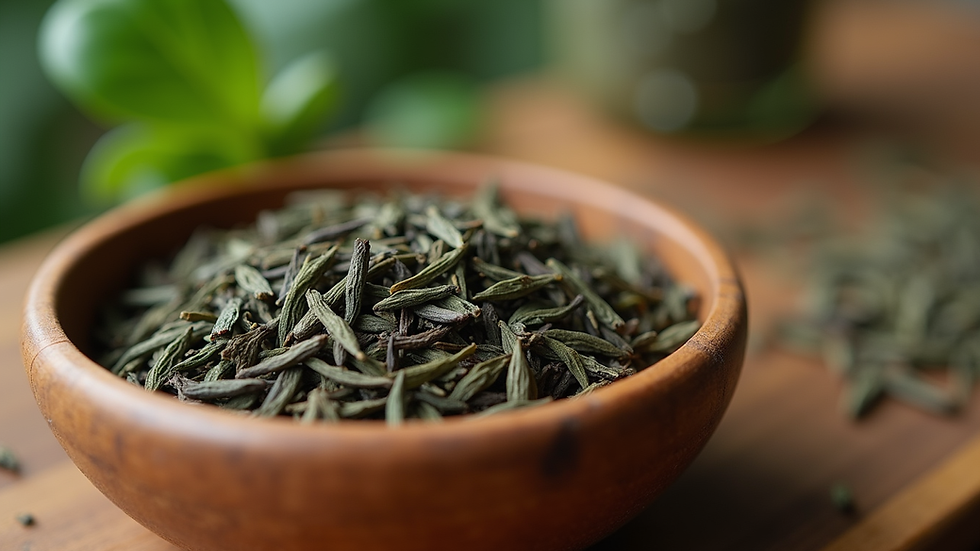
The tea leaves are typically rolled into thin, needle-like shapes, which helps release flavour during brewing. The quality of Sencha can vary depending on the region it is grown in, with famous areas including Shizuoka, Uji, and Kagoshima.

How to Prepare Sencha Tea Perfectly
Brewing Sencha tea correctly is essential to enjoy its full flavour and aroma. Unlike black teas, Sencha requires lower water temperatures and shorter steeping times to avoid bitterness. Here is a simple step-by-step guide to preparing Sencha tea:
Use fresh, filtered water: The quality of water affects the taste significantly.
Heat water to about 70-80°C (158-176°F): Boiling water can scorch the leaves and create a bitter taste.
Measure 2 grams of tea leaves per 100 ml of water: This is roughly one teaspoon of leaves per cup.
Steep for 1-2 minutes: Adjust steeping time based on personal taste preferences.
Pour the tea evenly into cups: This ensures consistent flavour for all servings.
For multiple infusions, increase the water temperature slightly and reduce steeping time. Sencha can be brewed two to three times, with each infusion offering a slightly different taste experience.
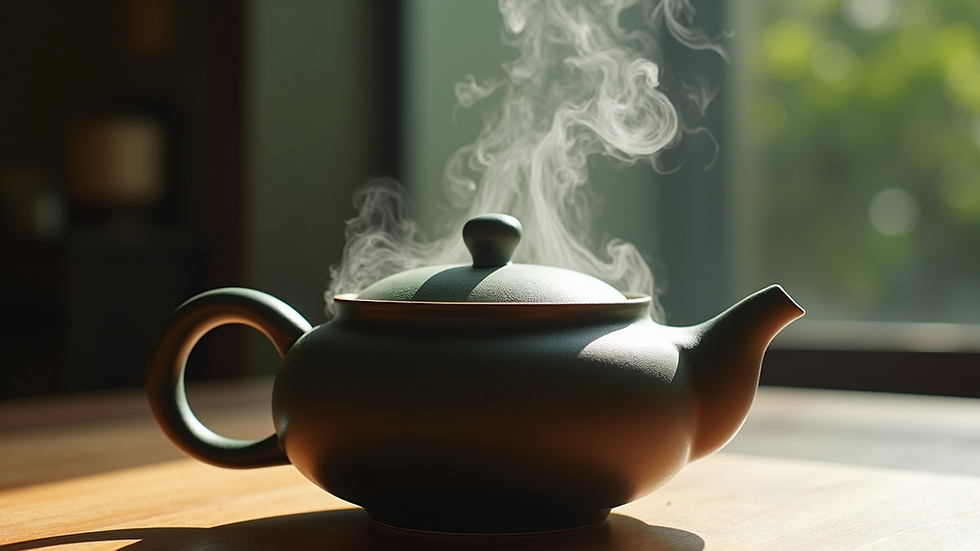
Using a traditional kyusu teapot with a side handle is ideal for brewing Sencha, as it allows for easy pouring and control over the brewing process.
The Cultural Significance of Sencha in Japan
Sencha tea is more than just a beverage in Japan; it is a symbol of hospitality, mindfulness, and connection to nature. While matcha is often associated with formal tea ceremonies, Sencha is the tea of everyday life and informal gatherings.
In Japanese homes, serving Sencha to guests is a gesture of respect and welcome. It is common to offer a cup of Sencha during conversations, meals, or after work to promote relaxation and social bonding.
Sencha also plays a role in seasonal celebrations and festivals. For example, the first harvest of the year, called "Shincha," is highly prized and celebrated for its fresh, vibrant flavour. This tea is often shared among family and friends as a sign of good fortune and health.
The tea's preparation and consumption encourage mindfulness and appreciation of the moment, reflecting the Japanese philosophy of "ichigo ichie" - treasuring the unique encounter.
Health Benefits of Drinking Sencha Tea
Sencha tea is not only enjoyable but also offers numerous health benefits, making it a popular choice for those seeking a natural boost to their wellbeing. Some of the key health advantages include:
Rich in antioxidants: Sencha contains catechins, which help combat free radicals and reduce oxidative stress.
Supports metabolism: Drinking Sencha may aid in weight management by boosting metabolism.
Enhances mental alertness: The moderate caffeine content provides a gentle energy lift without the jitters.
Promotes heart health: Regular consumption is linked to improved cardiovascular function.
Supports immune system: Vitamins and minerals in Sencha contribute to overall immune health.
To maximise these benefits, it is best to drink Sencha without added sugar or milk. Incorporating a daily cup of Sencha tea can be a simple and effective way to support a healthy lifestyle.
Tips for Buying and Storing Sencha Tea
When purchasing Sencha tea, consider the following tips to ensure you get the best quality:
Look for vibrant green leaves: Dull or brownish leaves indicate lower quality or old stock.
Check the harvest date: Fresher tea offers better flavour and health benefits.
Choose reputable brands or sources: Japanese producers with a history of quality are preferable.
Consider the grade: Higher grades are more expensive but offer superior taste and aroma.
Proper storage is crucial to maintain the freshness of Sencha tea. Keep the tea leaves in an airtight container, away from light, heat, and moisture. Refrigeration is recommended for long-term storage but ensure the container is sealed tightly to prevent moisture absorption.
By following these guidelines, you can enjoy the full sensory experience of Sencha tea whenever you brew a cup.
For those interested in exploring this delightful tea further, Japanese Sencha Tea offers a wonderful introduction to its history and varieties.
Embracing Sencha tea is a journey into Japanese culture, flavour, and wellness - a true cultural delight in every sip.


Comments